RESEARCH FOCUS
Translational Endocrine tumor biology laboratory works on understanding the molecular basis of endocrine disorders particularly Pheochromocytoma and paragangliomas (PPGLs), MEN1 Syndrome and Parathyroid tumors through integrated genomics, proteomics, and metabolomics approaches. We aim to identify disease-causing genetic variants, characterize altered molecular pathways, and discover clinically relevant biomarkers for improved diagnosis, prognosis, and precision medicine in endocrine diseases.
Pheochromocytomas and Paragangliomas (PPGLs)
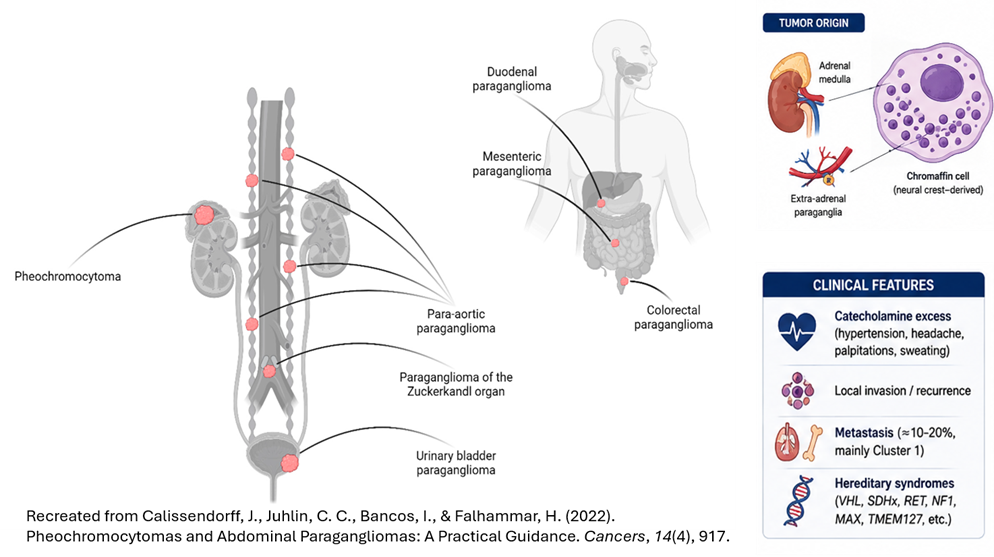
Pheochromocytomas and paragangliomas (PPGLs) are rare neuroendocrine tumors with one of the highest heritable fractions among human cancers, making them an excellent model for studying the interplay between genetics, metabolism, and tumor biology. Our research aims to decipher the molecular mechanisms via pathogenic variants, transcript alterations, or metabolites driving PPGL pathogenesis. Particular emphasis is placed on tumors harbouring mutations in tricarboxylic acid (TCA) cycle genes and pseudohypoxia-associated pathways, with the goal of understanding how altered cellular metabolism, epigenetic dysregulation, and hypoxia signaling contribute to tumor initiation, progression, and metastatic potential. By establishing genotype–phenotype and genotype–proteome-metabolite correlations, we seek to identify biomarkers for risk stratification, improve molecular diagnosis, and uncover novel therapeutic targets for aggressive PPGLs.
Multiple Endocrine Neoplasia Type 1 (MEN1) Syndrome
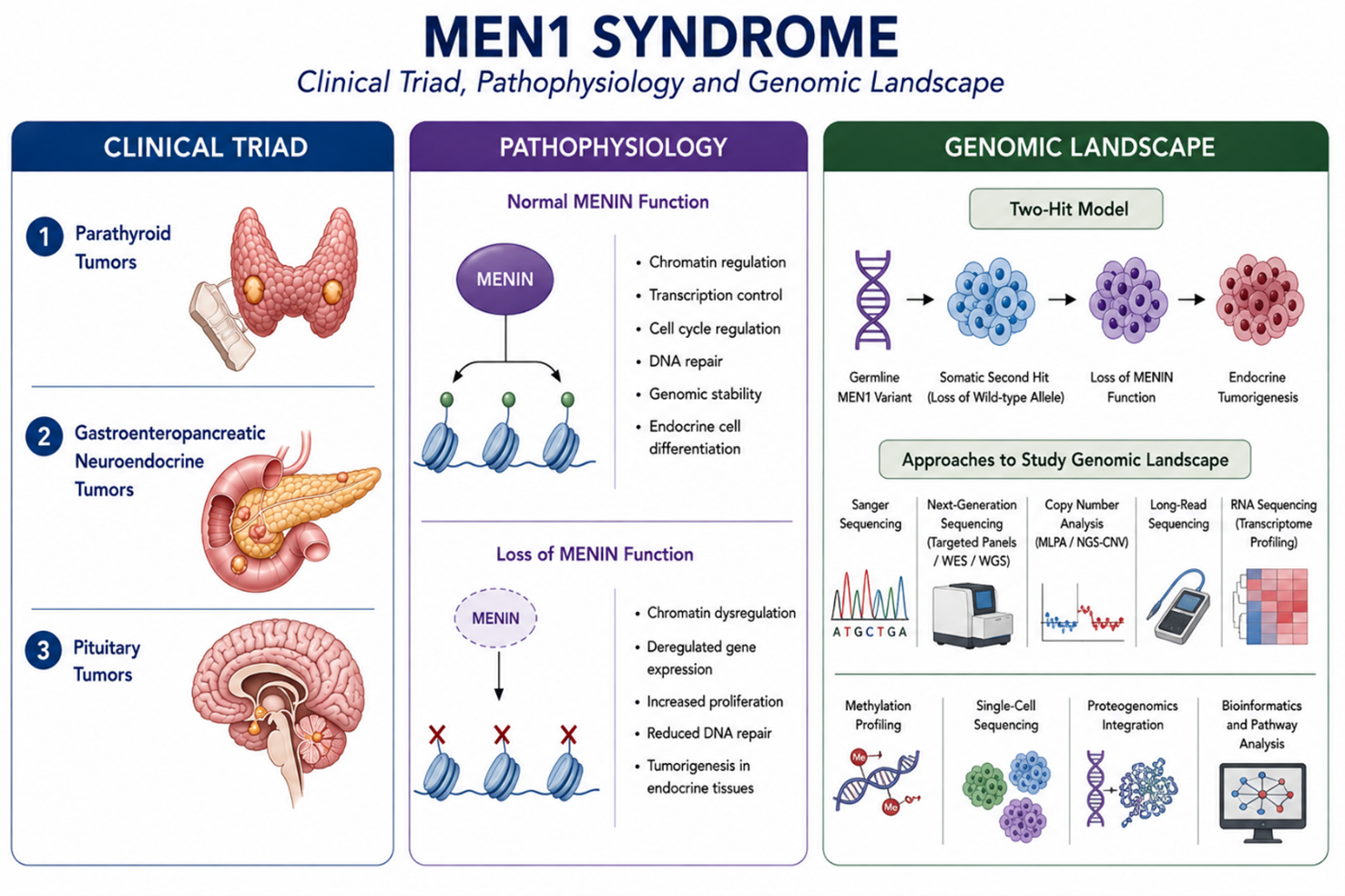
Multiple Endocrine Neoplasia Type 1 (MEN1) syndrome or Wermer’s syndrome is a rare autosomal dominant disorder characterized by the development of tumors involving multiple endocrine organs, primarily the parathyroid glands, pituitary gland, and pancreatic neuroendocrine tissues. Our research focuses on improving the molecular diagnosis and clinical management of MEN1 through comprehensive genomic approaches (from Sanger sequencing to next-generation sequencing to most recent long-read sequencing). We aim to identify pathogenic variants, characterize complex genomic alterations, and investigate genotype–phenotype relationships within diverse patient populations. By integrating molecular findings with detailed clinical, biochemical, and radiological data, our work seeks to improve diagnostic yield, facilitate early detection in affected families, while advancing the understanding of MEN1 disease biology. We are also committed to advancing genetic screening and personalized management for affected individuals and their families.
Primary Hyperparathyroidism
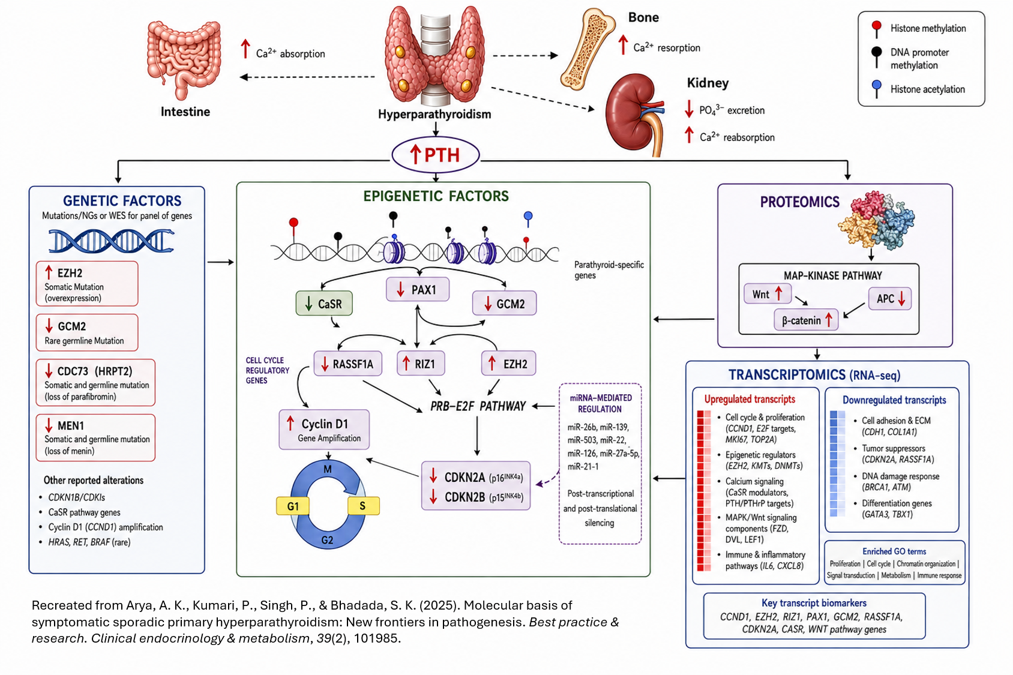
Primary hyperparathyroidism, a third most common endocrine disorder that exhibits considerable variability in clinical presentation, disease severity, and long-term skeletal and renal complications. Our research is directed toward understanding the molecular and genetic basis of parathyroid tumorigenesis through integrated expression studies, genomics, epigenomics and functional studies. A particular focus is placed on identifying biomarkers associated with severe bone disease; CKD and other clinically important outcomes, while exploring population-specific molecular characteristics that may influence disease presentation. We also aim to improve risk prediction of parathyroid carcinoma from benign tumors, enhance molecular diagnosis, and facilitate the development of precision medicine approaches for patients with parathyroid disorders.